Restaurants Are Experimenting With Community Platforms Beyond Instagram

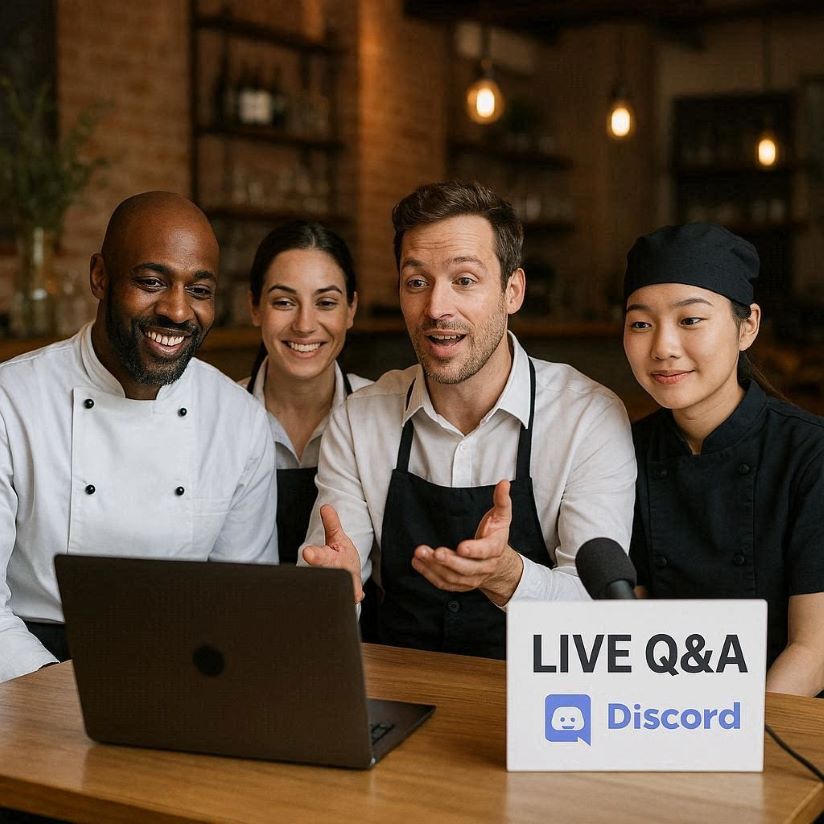
Restaurant staff hosting a live Q&A on Discord

Data from Statista shows that Instagram remains one of the most influential platforms for food businesses, with millions of posts tagged under #foodie every day. Yet, despite its reach, restaurants and cafés are beginning to recognize the limitations of relying solely on traditional social media. Algorithms change, visibility fluctuates, and customer engagement often feels shallow. To address these challenges, hospitality brands are experimenting with private community platforms, particularly Discord, to foster deeper loyalty and more meaningful interaction.

One reason for this shift is the desire to build spaces where customers feel a sense of belonging rather than simply scrolling past content. Discord servers, for example, allow restaurants to create exclusive channels for menu previews, loyalty rewards, and direct conversations with chefs. For businesses aiming to increase your social media following, these communities provide a more controlled environment where engagement is not dictated by external algorithms but by genuine interest and participation.

The Rise of Digital Exclusivity in Food Culture

Digital exclusivity has become a defining feature of modern food culture. Research from McKinsey & Company highlights that consumers increasingly value experiences that feel personalized and rare. Restaurants are tapping into this by offering early access to seasonal menus or limited-edition dishes through private community channels. For example, a café in New York recently launched a Discord group where members could vote on the next pastry flavor. The winning option was then released exclusively to community members before hitting the public menu.

This approach mirrors strategies seen in other industries, such as gaming and fashion, where exclusivity drives demand. By creating digital “members-only” spaces, restaurants are not just selling food, they are selling access. Customers who join these communities feel part of an insider circle, which strengthens brand loyalty and encourages repeat visits.

Examples of Restaurants Using Discord

  • Chipotle: The Mexican grill chain experimented with Discord during promotional campaigns, offering codes and giveaways to members. This created a sense of gamification around their brand.
  • Starbucks: While known for its app-based rewards, Starbucks has tested private community spaces to preview seasonal drinks and gather feedback from loyal customers.
  • Independent cafés: Smaller businesses are using Discord to organize local events, share behind-the-scenes content, and build stronger ties with their immediate community.

These examples show how hospitality brands are moving beyond the one-way communication of Instagram posts. Instead, they are building interactive ecosystems where customers can contribute ideas, share experiences, and feel recognized by the brand.

Why Restaurants Are Moving Beyond Instagram

Instagram remains powerful, but its limitations are clear. Harvard Business Review notes that algorithm-driven platforms often prioritize paid content, making it harder for smaller businesses to reach audiences organically. Restaurants that depend solely on Instagram risk losing visibility when algorithms shift. Discord, by contrast, offers direct communication without the noise of competing content. Members join because they want to be there, not because a post happened to appear in their feed.

Another factor is the growing demand for authenticity. Customers increasingly want to see the human side of brands. Discord allows chefs, baristas, and managers to interact directly with patrons, answering questions or sharing stories about the food. This level of transparency builds trust and makes customers feel more connected to the people behind the brand.

The Business Case for Private Communities

From a business perspective, private communities offer several advantages:

  • Loyalty programs: Restaurants can reward members with exclusive discounts or early access to new dishes, encouraging repeat purchases.
  • Customer feedback: Direct channels allow businesses to gather insights quickly, helping them adapt menus and services to customer preferences.
  • Brand engagement: Communities foster deeper relationships, turning casual diners into brand advocates who share experiences with friends and family.
  • Revenue growth: By offering exclusive products or events, restaurants can generate additional income streams beyond traditional dining.

These benefits highlight why more hospitality brands are investing in community platforms. The shift is not about abandoning Instagram but about diversifying engagement strategies to ensure resilience in a changing digital landscape.

Challenges and Considerations

Despite the promise of private communities, challenges remain. Building and maintaining a Discord server requires consistent moderation and content creation. Restaurants must ensure that the community remains active and welcoming, which can be resource intensive. Deloitte research shows that digital engagement strategies succeed only when businesses commit to long-term management rather than short-term campaigns.

Another consideration is accessibility. Not all customers are familiar with Discord or willing to join new platforms. Restaurants must balance exclusivity with inclusivity, ensuring that traditional channels like Instagram and email newsletters remain active for those who prefer them. Strong service practices remain essential, and many experts emphasize the importance of customer service in restaurants as a foundation for both offline and online engagement. Without attentive service, even the most innovative digital community risks losing its appeal.

Looking Ahead: The Future of Food Communities

The future of food communities lies in hybrid strategies. Restaurants will likely continue using Instagram for broad visibility while cultivating private spaces for deeper engagement. This dual approach allows them to reach new audiences while nurturing loyal customers in more intimate settings. As digital exclusivity becomes a stronger driver of consumer behavior, restaurants that embrace community platforms will be better positioned to thrive.

Ultimately, the shift toward private communities reflects a broader trend in consumer culture: the desire for meaningful connection. Customers no longer want to be passive observers of food content. They want to participate, influence, and belong. For restaurants, this means moving beyond likes and shares to create spaces where customers feel valued. By doing so, they not only strengthen loyalty but also expand their digital presence in ways that go beyond traditional follower counts or engagement metrics.

Conclusion

Restaurants, cafés, and food startups are redefining digital engagement by experimenting with community platforms like Discord. These spaces allow them to offer exclusivity, foster loyalty, and build authentic relationships with customers. While Instagram will remain a vital tool, the rise of private communities signals a new era in hospitality marketing. For businesses, the challenge is to balance visibility with intimacy, ensuring that every customer feels part of the story. In this evolving landscape, cultivating digital communities may prove more effective than chasing follower counts, helping brands strengthen their presence and sustain long-term growth.

Read More
 
//
 
 
//
 

What Restaurants Can Learn From Residential Exterior Cleaning Standards

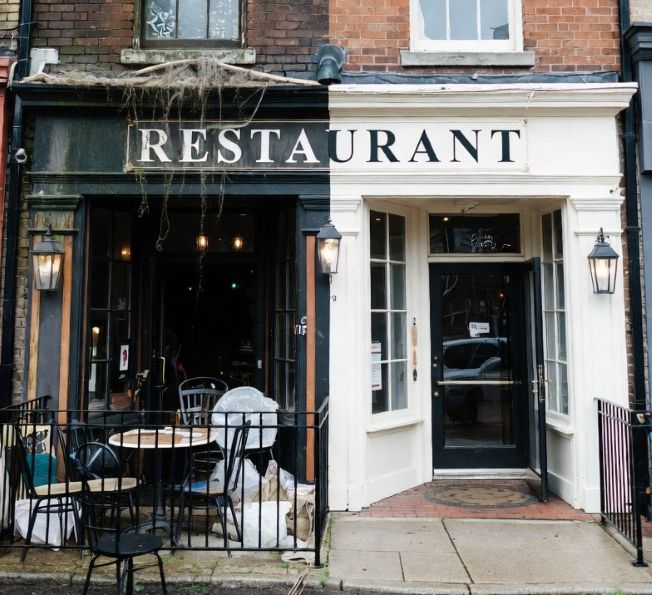
before and after of a restaurant facade cleaned with gentle methods


Customers decide if a restaurant is worth their time long before they taste the first bite. According to a survey by the National Restaurant Association, more than 60% of patrons say the look of a restaurant’s exterior influences their decision to dine there.


Imagine driving down Main Street, eyes flicking over buildings like a hawk scanning for prey. You see a restaurant with faded paint, grimy walls, and streaks that look like someone tried to butter the siding with charcoal. Now imagine the same street but with crisp, clean exteriors, bright trim, and a facade that seems to sparkle in the sun. Most of us pick the shiny one every time. That’s where ideas borrowed from residential care come into play. Techniques like soft wash cleaning have become a bit of a secret weapon for homes, removing stains, grease, and environmental buildup without harming materials. Restaurants can use similar approaches to boost their image.


If you’ve ever visited a friend’s house right after they’ve power washed their deck, you know it looks brand new. That’s more than a mental trick. It shows the value of a clean surface. Restaurants, especially small locally owned ones, can benefit from that same psychology. It’s about more than just aesthetics. It’s about signaling care, commitment, and attention to detail. When a building looks cared for, potential diners assume what’s inside is cared for too. Clean exterior, clean kitchen, clean food; our brains love that tidy equation.


How First Impressions Work Against You


Walk up to any restaurant on a Friday night and look at the crowd. Even before menus hit the table, customers have sized up the place. A shabby exterior with chipped paint or dirt streaks tells a story. It says, “We cut corners.” A spotless facade, with bright signage and pristine walls, suggests something else. It suggests pride and professionalism. The way a restaurant looks outside often mirrors its interior design and customer experience as explored in restaurant interior design studies.


First impressions are psychological. Dr. Susan Weinschenk, a behavioral psychologist, explains that humans make snap judgments within seconds of seeing a place or person. That assessment rarely changes, even after a good meal. You might enjoy the food, but that mental bookmark stays. You remember the dirty entrance, the peeling paint, or the moss creeping on the bricks.


Borrowing From Residential Standards


Residential exterior cleaning standards are high, especially in neighborhoods with homeowners associations. Folks trim hedges, pressure wash driveways, and fix paint chips before guests show up. Restaurants can borrow these habits. For starters, scheduled exterior cleaning prevents buildup of dirt, bird droppings, grease splatter, and mold. These things accumulate fast, especially in high-traffic areas near roads or trees. Using a cleaning method that protects surfaces is crucial. Traditional power washing can damage wood, paint, and delicate trim. That’s why many professionals recommend gentle cleaning approaches that balance effectiveness with care.


One restaurateur in Charleston recently told me she felt like her walls were a “victim of last year’s hurricane.” They were streaked with grime and looked older than the cheddar biscuits on her menu. After a thorough cleaning using gentle methods adapted from home care practices, customers started complimenting her facade. She laughed that people probably came in for dinner because the exterior looked “less like it was auditioning for a horror movie.”


Protecting Building Materials


One of the big lessons from residential cleaning is that aggressive blasting can degrade materials over time. That’s especially true for older buildings with historic wood or brick. In homes, homeowners have shifted to gentler cleaning methods that preserve siding and trim. Restaurants can do the same. Gentle cleaning prevents erosion of paint, mortar, and stone. It also keeps signage vibrant longer. Faded or grimy signs make a place look tired and forgotten. Crisp, clean signage, on the other hand, jumps out at passersby and can help with brand recognition.


Think of your building like your restaurant’s first greeting. You wouldn’t send a server to welcome guests with wrinkled clothes and coffee stains. So why let your exterior wear those marks?


The Hygiene Perception Link


In the restaurant business, hygiene is more than just a buzzword. People are wired to associate visible cleanliness with food safety. A clean exterior can set the tone for a guest’s expectations. Organizations like the Centers for Disease Control and Prevention emphasize the importance of environmental hygiene in preventing disease. While they focus on food preparation areas, the psychological carryover to dining environments is undeniable. Patrons assume a clean outside means clean inside.


A friend once joked that she judged restaurants like she judged socks. If they’re dingy on the outside, what are they hiding inside? She laughed, but she’s not alone. Cleanliness matters.


Routine Maintenance Builds Trust


Consistency is key in restaurant operations. Chefs follow recipes, hosts greet guests the same way every time, and dishwashers crank through cycles all night. Exterior maintenance should fit into that rhythm. Regular cleaning schedules prevent buildup and ensure the building always looks its best. It’s like brushing your teeth regularly instead of waiting until there’s a crisis.


And here’s the truth: customers notice. Regularly maintained exteriors signal a commitment to quality. They show that a restaurant pays attention to details that most people overlook. That builds trust. Patrons think, “If they care about the exterior, they probably care about what they serve.”


Conclusion


Exterior cleanliness influences first impressions more than many restaurant owners realize. When restaurants borrow from residential exterior care standards, they can protect building materials, reinforce hygiene perception, and build stronger customer trust. Gentle cleaning techniques keep surfaces looking fresh without damage. In an era where diners are judging your place before they even open the door, that counts for a lot. After all, a clean exterior is like a warm handshake before dinner. With a bit of care and the right methods, restaurants can make sure that handshake is strong, confident, and inviting.


Read More
 
//
 
 
//
 

Serving Gratitude on the Table: Dining Savings on Everyday Heroes

Food is among the most universal care and appreciation. To a lot of emergency workers, the possibility of having great savings and deals for police officers turns the routine meals into a chance of appreciation. Restaurants are considered to contribute to the individuals defending communities through the provision of food and comfort as well as financial alleviation.

Food Culture as Community Support

group of people eating in a restaurantThe restaurants tend to be safe zones in the long shifts, late nights, and random schedule. Food establishments make hospitality significant by providing exclusive food-related offers. Such savings build a culture of service being known not only by words, but by action.

Sustaining the Police Officers with Practical Benevolence

Police officers go through high-pressure every day. The heavy meal daily cost is alleviated by the use of discounts to ensure that officers have energy and concentration during the busy working days. The availability of substantial savings and promotions to the police officers has made basic food affordable.

Digital Discounts to Dining

The presence of online discounts allows officers to access verified deals in a shorter time. In the context of little down time, convenience is important. Digital discovery helps to make sure that the officers can find out what is nearby without spending additional resources on it.

The reason is for the savings to become a part of their daily work instead of an additional job.

Building Local Food Economies

Restaurants gain customers in terms of habitual use and regular customerism when the officers eat locally in the area on exclusive discounts. This provides a win-win situation in which businesses are able to provide value to the community. That is through supporting the work of the community in maintaining community economics.

Food Diaries that Foment Cohesion

Articles with a food theme tend to discuss how meals unite individuals in special times in their lives. Coming to understand the cultural background and common eating experiences may offer more information on how food can create connection, gratitude, and resilience.

Conclusion

Dining discounts are not merely savings, it is a sign of respect and appreciation. Restaurants are engaged in paying tribute to the police. It is one meal at a time, by providing caring services  through feeding them.

Read More
 
//
 
 
//
 

Food, Restaurants, and the Rise of Sing-Along Dining

Dining out today is more than just eating a good meal. Many restaurants now offer entertainment that keeps people engaged from the moment they sit down. One fun trend that is growing fast is the sing-along restaurant experience like Dr. Horrible’s sing along blog. These places combine food, music, and a lively crowd. The result is a night that feels warm, friendly, and memorable.

Why People Love Sing-Along Restaurants

Sing-along restaurants attract people because they bring joy and comfort. Guests feel relaxed when the atmosphere is light and welcoming. Music helps people connect with others, even with strangers. It creates a shared moment that many people want to be part of. You do not need to be a great singer to enjoy it. Most guests sing for fun. This takes away the pressure and makes the evening more enjoyable.

Good food also plays a big role. Restaurants that offer sing-along sessions know that customers come for both entertainment and a full meal. Many of these places serve comfort food, grilled dishes, pasta, or local favorites. The goal is to match the upbeat mood with satisfying meals. When people enjoy both the food and the music, they stay longer and come back again.

How Restaurants Create a Good Sing-Along Experience

Restaurants that offer sing-along nights plan their setup well. The sound system must be clear, but not too loud. Customers should hear the music, but still be able to talk. Comfortable seating also matters. Guests enjoy themselves more when they feel relaxed. The layout should allow people to move around, dance a little, or clap along.

The song choices also shape the experience. Most restaurants choose classic hits, pop songs, ballads, or local music that almost everyone knows. Familiar songs help guests feel confident enough to join in. Some restaurants even allow customers to request songs. This adds a personal touch and makes the night feel more interactive.

Lighting also sets the mood. Dim or warm lighting creates a cozy feel. Some places add soft stage lights for the performer or host. This helps the crowd focus on the music without feeling like they are in a formal show. The key is to make the space friendly and inviting.

Food Choices That Fit the Sing-Along Theme

Food in sing-along restaurants usually feels casual and hearty. Guests want meals that are easy to eat while enjoying the music. Finger foods like wings, fries, and sliders are very popular. Many people order these for sharing. This creates a sense of community at the table.

Some restaurants also offer themed menus. For example, a place with retro music might serve old-school dishes that match the vibe. Others might serve local comfort meals to keep the atmosphere familiar. Drinks also matter. Many guests enjoy cocktails, iced tea, or beer while singing along. These drinks help keep the energy high, but they are usually served responsibly.

Desserts also add to the fun. Small cakes, ice cream, or pastries give guests something sweet to enjoy in between songs. Some restaurants even have interactive desserts, like build-your-own sundaes or flavored toppings. These small touches make the experience more playful.

How Sing-Along Dining Builds Community

One of the biggest strengths of sing-along restaurants is their ability to bring people together. Friends visit to celebrate birthdays or milestones. Families enjoy singing songs they all know. Even coworkers book team dinners in these places to lighten the mood after a long week.

Strangers also connect in sing-along restaurants. When everyone sings together, the room feels united. People feel more open and friendly. Shared laughter makes the night easy-going. In many cases, people leave the restaurant with new friends.

This sense of community is one reason sing-along restaurants keep growing. They offer something digital entertainment cannot copy. The energy of a live crowd creates a special moment that stays with people. It brings back simple fun, which many people appreciate today.

Why Sing-Along Restaurants Are Good for Business

This trend is not only good for customers. It also helps businesses. Restaurants with sing-along nights often experience higher foot traffic. People stay longer, order more, and invite friends to join. Many restaurants use this setup to stand out in a crowded food industry.

Theme nights also help. Some restaurants schedule different music themes every week. One night may be 90s hits. Another night may be acoustic songs. These themes encourage repeat visits because customers expect something new each time. Special events like duet nights, open mic nights, or “guess the song” games also attract more engagement.

Social media also plays a part. Customers love sharing videos of their sing-along moment. This helps the restaurant reach more people without spending too much on advertising. When people see others enjoying themselves, they feel curious and want to try it too.

Read More
 
//
 
 
//
 

The Importance of Customer Service in Restaurants

In the restaurant industry, good food alone is not enough to guarantee success. Customer service plays a central role in shaping the dining experience and determining whether guests return or recommend the establishment to others.

https://www.angelicaffe.com

Read More
 
//
 
 
//
 

Comfort Food and Its Psychological Effects

Comfort food refers to dishes that provide more than just physical nourishment—they bring a sense of emotional relief, nostalgia, and happiness. These are often meals associated with childhood, family traditions, or cultural roots, such as soups, sweets, or home-cooked favorites.

https://www.angelicaffe.com

Read More
 
//
 
 
//
 

Restaurant Interior Design and Customer Experience

The success of a restaurant is not only defined by the quality of its food but also by the overall dining experience it provides. One of the most important factors shaping this experience is interior design. From lighting and seating to color schemes and décor, the environment influences how customers feel, how long they stay, and even how much they spend.

https://www.angelicaffe.com

Read More
 
//
 
 
//
 

Healthy Eating Trends and Their Impact

In recent years, people have become increasingly aware of the link between food and overall well-being. This shift has given rise to several healthy eating trends, such as plant-based diets, organic and natural food consumption, intermittent fasting, and low-sugar or gluten-free lifestyles. These trends are not only changing personal eating habits but also reshaping the global food industry.

https://www.angelicaffe.com

Read More
 
//
 
 
//
 

The Role of Food in Cultural Identity

Food is more than just nourishment—it is a powerful symbol of cultural identity. Every dish tells a story about history, tradition, and the people who create it.
Healthy eating trends are views for food, blending health, sustainability, and culture. While challenges remain, these movements highlight the importance of making informed food choices for both personal well-being and the environment.

https://www.angelicaffe.com

Read More
 
//
 
 
//