Restaurants Are Experimenting With Community Platforms Beyond Instagram
Data from Statista shows that Instagram remains one of the most influential platforms for food businesses, with millions of posts tagged under #foodie every day. Yet, despite its reach, restaurants and cafés are beginning to recognize the limitations of relying solely on traditional social media. Algorithms change, visibility fluctuates, and customer engagement often feels shallow. To address these challenges, hospitality brands are experimenting with private community platforms, particularly Discord, to foster deeper loyalty and more meaningful interaction.
One reason for this shift is the desire to build spaces where customers feel a sense of belonging rather than simply scrolling past content. Discord servers, for example, allow restaurants to create exclusive channels for menu previews, loyalty rewards, and direct conversations with chefs. For businesses aiming to increase your social media following, these communities provide a more controlled environment where engagement is not dictated by external algorithms but by genuine interest and participation.
The Rise of Digital Exclusivity in Food Culture
Digital exclusivity has become a defining feature of modern food culture. Research from McKinsey & Company highlights that consumers increasingly value experiences that feel personalized and rare. Restaurants are tapping into this by offering early access to seasonal menus or limited-edition dishes through private community channels. For example, a café in New York recently launched a Discord group where members could vote on the next pastry flavor. The winning option was then released exclusively to community members before hitting the public menu.
This approach mirrors strategies seen in other industries, such as gaming and fashion, where exclusivity drives demand. By creating digital “members-only” spaces, restaurants are not just selling food, they are selling access. Customers who join these communities feel part of an insider circle, which strengthens brand loyalty and encourages repeat visits.
Examples of Restaurants Using Discord
- Chipotle: The Mexican grill chain experimented with Discord during promotional campaigns, offering codes and giveaways to members. This created a sense of gamification around their brand.
- Starbucks: While known for its app-based rewards, Starbucks has tested private community spaces to preview seasonal drinks and gather feedback from loyal customers.
- Independent cafés: Smaller businesses are using Discord to organize local events, share behind-the-scenes content, and build stronger ties with their immediate community.
These examples show how hospitality brands are moving beyond the one-way communication of Instagram posts. Instead, they are building interactive ecosystems where customers can contribute ideas, share experiences, and feel recognized by the brand.
Why Restaurants Are Moving Beyond Instagram
Instagram remains powerful, but its limitations are clear. Harvard Business Review notes that algorithm-driven platforms often prioritize paid content, making it harder for smaller businesses to reach audiences organically. Restaurants that depend solely on Instagram risk losing visibility when algorithms shift. Discord, by contrast, offers direct communication without the noise of competing content. Members join because they want to be there, not because a post happened to appear in their feed.
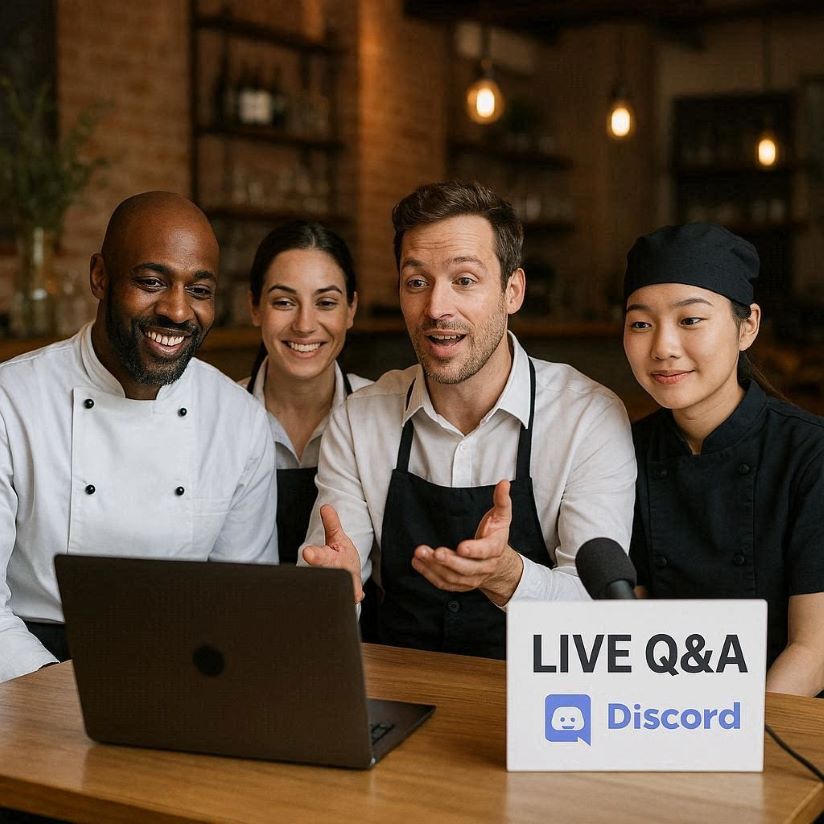
Another factor is the growing demand for authenticity. Customers increasingly want to see the human side of brands. Discord allows chefs, baristas, and managers to interact directly with patrons, answering questions or sharing stories about the food. This level of transparency builds trust and makes customers feel more connected to the people behind the brand.
The Business Case for Private Communities
From a business perspective, private communities offer several advantages:
- Loyalty programs: Restaurants can reward members with exclusive discounts or early access to new dishes, encouraging repeat purchases.
- Customer feedback: Direct channels allow businesses to gather insights quickly, helping them adapt menus and services to customer preferences.
- Brand engagement: Communities foster deeper relationships, turning casual diners into brand advocates who share experiences with friends and family.
- Revenue growth: By offering exclusive products or events, restaurants can generate additional income streams beyond traditional dining.
These benefits highlight why more hospitality brands are investing in community platforms. The shift is not about abandoning Instagram but about diversifying engagement strategies to ensure resilience in a changing digital landscape.
Challenges and Considerations
Despite the promise of private communities, challenges remain. Building and maintaining a Discord server requires consistent moderation and content creation. Restaurants must ensure that the community remains active and welcoming, which can be resource intensive. Deloitte research shows that digital engagement strategies succeed only when businesses commit to long-term management rather than short-term campaigns.
Another consideration is accessibility. Not all customers are familiar with Discord or willing to join new platforms. Restaurants must balance exclusivity with inclusivity, ensuring that traditional channels like Instagram and email newsletters remain active for those who prefer them. Strong service practices remain essential, and many experts emphasize the importance of customer service in restaurants as a foundation for both offline and online engagement. Without attentive service, even the most innovative digital community risks losing its appeal.
Looking Ahead: The Future of Food Communities
The future of food communities lies in hybrid strategies. Restaurants will likely continue using Instagram for broad visibility while cultivating private spaces for deeper engagement. This dual approach allows them to reach new audiences while nurturing loyal customers in more intimate settings. As digital exclusivity becomes a stronger driver of consumer behavior, restaurants that embrace community platforms will be better positioned to thrive.
Ultimately, the shift toward private communities reflects a broader trend in consumer culture: the desire for meaningful connection. Customers no longer want to be passive observers of food content. They want to participate, influence, and belong. For restaurants, this means moving beyond likes and shares to create spaces where customers feel valued. By doing so, they not only strengthen loyalty but also expand their digital presence in ways that go beyond traditional follower counts or engagement metrics.
Conclusion
Restaurants, cafés, and food startups are redefining digital engagement by experimenting with community platforms like Discord. These spaces allow them to offer exclusivity, foster loyalty, and build authentic relationships with customers. While Instagram will remain a vital tool, the rise of private communities signals a new era in hospitality marketing. For businesses, the challenge is to balance visibility with intimacy, ensuring that every customer feels part of the story. In this evolving landscape, cultivating digital communities may prove more effective than chasing follower counts, helping brands strengthen their presence and sustain long-term growth.