What Restaurants Can Learn From Residential Exterior Cleaning Standards
Customers decide if a restaurant is worth their time long before they taste the first bite. According to a survey by the National Restaurant Association, more than 60% of patrons say the look of a restaurant’s exterior influences their decision to dine there.
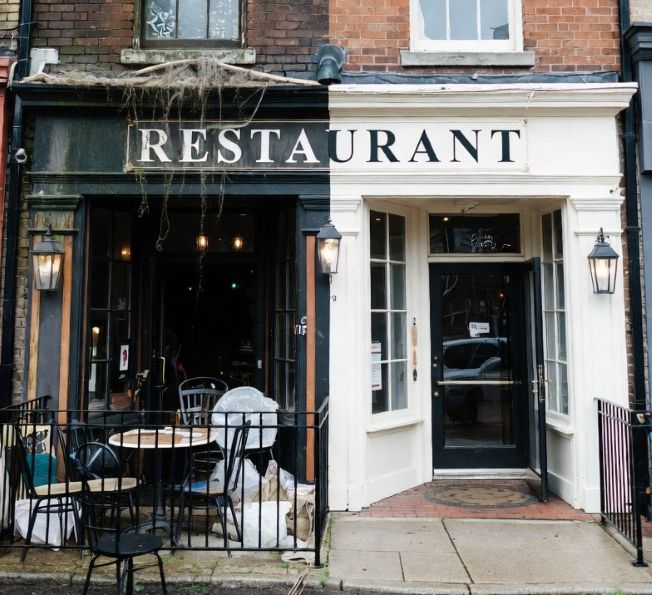
Imagine driving down Main Street, eyes flicking over buildings like a hawk scanning for prey. You see a restaurant with faded paint, grimy walls, and streaks that look like someone tried to butter the siding with charcoal. Now imagine the same street but with crisp, clean exteriors, bright trim, and a facade that seems to sparkle in the sun. Most of us pick the shiny one every time. That’s where ideas borrowed from residential care come into play. Techniques like soft wash cleaning have become a bit of a secret weapon for homes, removing stains, grease, and environmental buildup without harming materials. Restaurants can use similar approaches to boost their image.
If you’ve ever visited a friend’s house right after they’ve power washed their deck, you know it looks brand new. That’s more than a mental trick. It shows the value of a clean surface. Restaurants, especially small locally owned ones, can benefit from that same psychology. It’s about more than just aesthetics. It’s about signaling care, commitment, and attention to detail. When a building looks cared for, potential diners assume what’s inside is cared for too. Clean exterior, clean kitchen, clean food; our brains love that tidy equation.
How First Impressions Work Against You
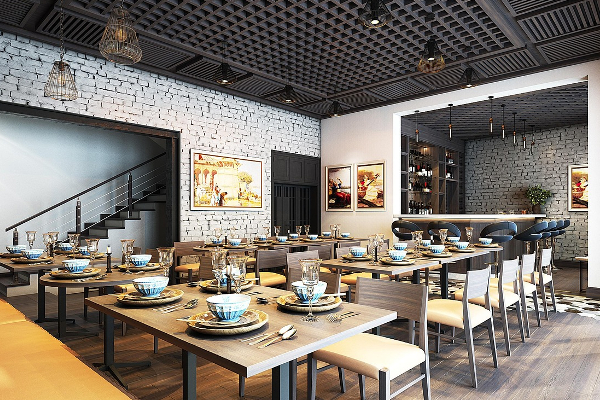
Walk up to any restaurant on a Friday night and look at the crowd. Even before menus hit the table, customers have sized up the place. A shabby exterior with chipped paint or dirt streaks tells a story. It says, “We cut corners.” A spotless facade, with bright signage and pristine walls, suggests something else. It suggests pride and professionalism. The way a restaurant looks outside often mirrors its interior design and customer experience as explored in restaurant interior design studies.
First impressions are psychological. Dr. Susan Weinschenk, a behavioral psychologist, explains that humans make snap judgments within seconds of seeing a place or person. That assessment rarely changes, even after a good meal. You might enjoy the food, but that mental bookmark stays. You remember the dirty entrance, the peeling paint, or the moss creeping on the bricks.
Borrowing From Residential Standards
Residential exterior cleaning standards are high, especially in neighborhoods with homeowners associations. Folks trim hedges, pressure wash driveways, and fix paint chips before guests show up. Restaurants can borrow these habits. For starters, scheduled exterior cleaning prevents buildup of dirt, bird droppings, grease splatter, and mold. These things accumulate fast, especially in high-traffic areas near roads or trees. Using a cleaning method that protects surfaces is crucial. Traditional power washing can damage wood, paint, and delicate trim. That’s why many professionals recommend gentle cleaning approaches that balance effectiveness with care.
One restaurateur in Charleston recently told me she felt like her walls were a “victim of last year’s hurricane.” They were streaked with grime and looked older than the cheddar biscuits on her menu. After a thorough cleaning using gentle methods adapted from home care practices, customers started complimenting her facade. She laughed that people probably came in for dinner because the exterior looked “less like it was auditioning for a horror movie.”
Protecting Building Materials
One of the big lessons from residential cleaning is that aggressive blasting can degrade materials over time. That’s especially true for older buildings with historic wood or brick. In homes, homeowners have shifted to gentler cleaning methods that preserve siding and trim. Restaurants can do the same. Gentle cleaning prevents erosion of paint, mortar, and stone. It also keeps signage vibrant longer. Faded or grimy signs make a place look tired and forgotten. Crisp, clean signage, on the other hand, jumps out at passersby and can help with brand recognition.
Think of your building like your restaurant’s first greeting. You wouldn’t send a server to welcome guests with wrinkled clothes and coffee stains. So why let your exterior wear those marks?
The Hygiene Perception Link
In the restaurant business, hygiene is more than just a buzzword. People are wired to associate visible cleanliness with food safety. A clean exterior can set the tone for a guest’s expectations. Organizations like the Centers for Disease Control and Prevention emphasize the importance of environmental hygiene in preventing disease. While they focus on food preparation areas, the psychological carryover to dining environments is undeniable. Patrons assume a clean outside means clean inside.
A friend once joked that she judged restaurants like she judged socks. If they’re dingy on the outside, what are they hiding inside? She laughed, but she’s not alone. Cleanliness matters.
Routine Maintenance Builds Trust
Consistency is key in restaurant operations. Chefs follow recipes, hosts greet guests the same way every time, and dishwashers crank through cycles all night. Exterior maintenance should fit into that rhythm. Regular cleaning schedules prevent buildup and ensure the building always looks its best. It’s like brushing your teeth regularly instead of waiting until there’s a crisis.
And here’s the truth: customers notice. Regularly maintained exteriors signal a commitment to quality. They show that a restaurant pays attention to details that most people overlook. That builds trust. Patrons think, “If they care about the exterior, they probably care about what they serve.”
Conclusion
Exterior cleanliness influences first impressions more than many restaurant owners realize. When restaurants borrow from residential exterior care standards, they can protect building materials, reinforce hygiene perception, and build stronger customer trust. Gentle cleaning techniques keep surfaces looking fresh without damage. In an era where diners are judging your place before they even open the door, that counts for a lot. After all, a clean exterior is like a warm handshake before dinner. With a bit of care and the right methods, restaurants can make sure that handshake is strong, confident, and inviting.